The gap isn’t the idea.
It’s getting someone else to see it.
Engineers and product teams almost always know exactly what they’ve built. What’s hard is getting a non-technical executive, a federal evaluator, or a room of focus-group participants to see it fast enough to act on it. That gap — between what a team knows and what an audience understands — is where I work.

How I work
Technical Translation
From an engineer’s whiteboard to an executive’s “yes.”
Technical teams know exactly what they’ve built. The challenge is never the idea — it’s getting a non-technical audience, an evaluator, or a focus group to see it fast enough to act on it. I translate between the engineer and the audience: pulling out what matters, and giving it a form people respond to immediately — a rendering, a narrative arc.
Concept visualization
Using AI-assisted illustration to show a not-yet-built product as if it already exists, so teams can pre-sell it, pressure-test it in a focus group, or make a go/no-go call before development is finished.
Narrative & proposal graphics
Architecture diagrams, win-theme visuals, and executive storylines that make a technical differentiator legible to someone evaluating it cold.
Design and Branding
From a business people can’t quite explain to one they understand instantly.
Most businesses aren’t unclear about what they do — they’re unclear about which part to lead with. I start with the audience and the decision they’re making, then build the brand and the content around it: what to say first, what to cut, and what it should look like so the whole thing reads as intentional rather than assembled.
Brand & identity
Strategy, visual systems, and guidelines that give a business one coherent look and voice — built to be used by other people, not just to look good in a presentation. This also includes experiential design like conferences and events.
Web strategy & content
Sites where the real work is curating and sequencing the content, so a visitor understands the business in the first ten seconds. Plus illustrated explainer videos and marketing collateral for the moments a page isn’t enough.
How I think about the work
-
Before I open any tool, I ask who has to understand this, how much time they’ll give it, and what they need to walk away knowing. A federal evaluator skimming a proposal needs something different than a focus group reacting to a prototype, which needs something different than an executive deciding whether to greenlight a product. The format — diagram, rendering, narrative deck, short video — comes second. The audience comes first.
-
I partner with engineers, product leads, and subject-matter experts rather than working from a brief handed down secondhand. That direct collaboration is what lets me find the one idea that actually matters in a technical concept, instead of trying to represent everything at once. Most of what makes a technical story fail isn’t bad design — it’s including too much.
-
I was an early adopter of generative AI for visual storytelling, and I use it deliberately: to make a not-yet-built product look real enough that a sales team can pre-sell it, or a leadership team can make a go/no-go call before development finishes. The tool changes what’s possible in the timeline; it doesn’t change the discipline of deciding what the image needs to say and to whom.
-
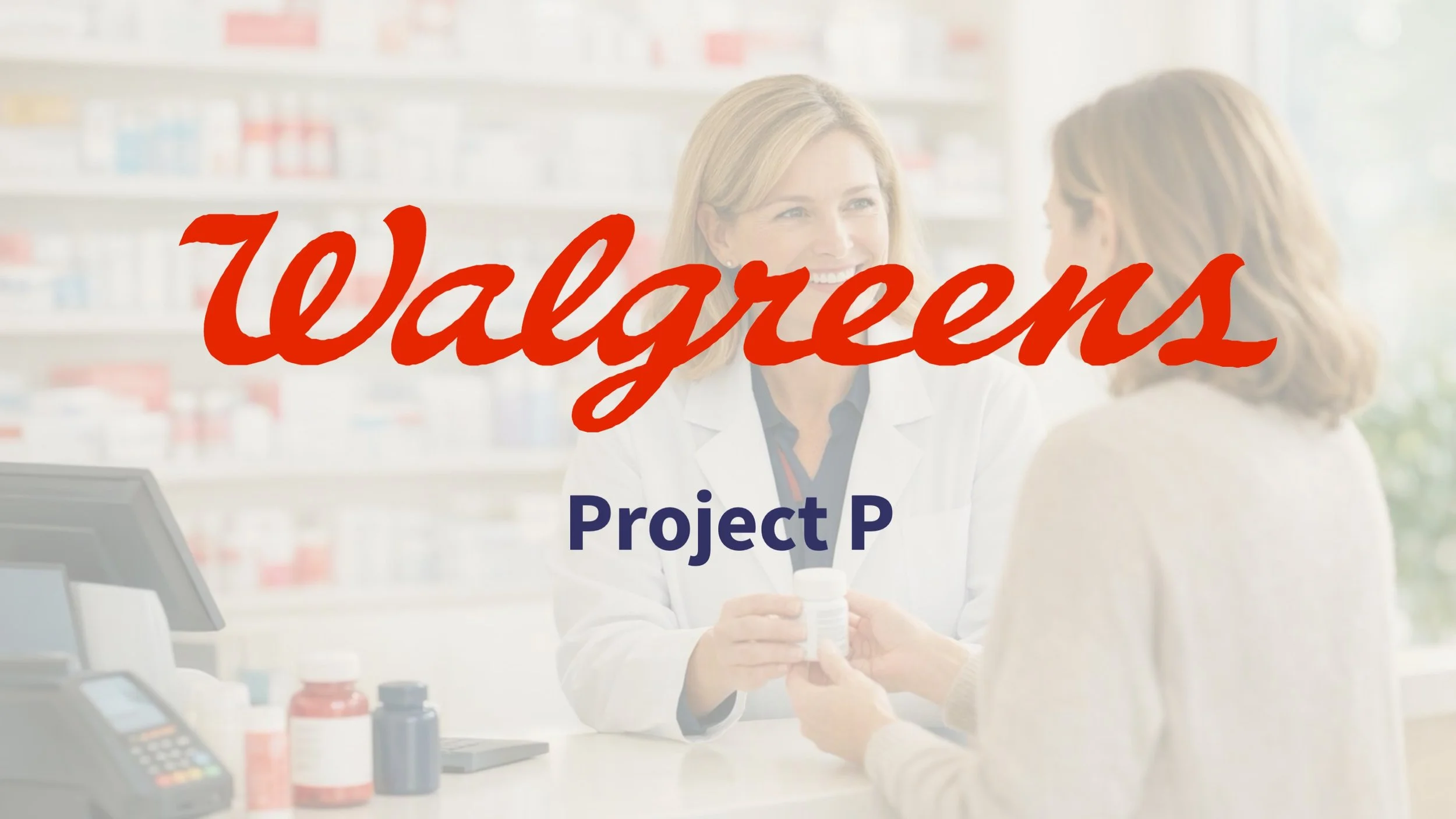
Four years of pharma creative direction inside MLR and legal review taught me how to move fast inside a compliance-heavy process without losing the story along the way. That same discipline applies directly to federal and public-sector work, where accuracy and process matter as much as the visual itself.
What this looks like in practice
A dense engineering slide becomes a one-page visual an executive can act on in a meeting.

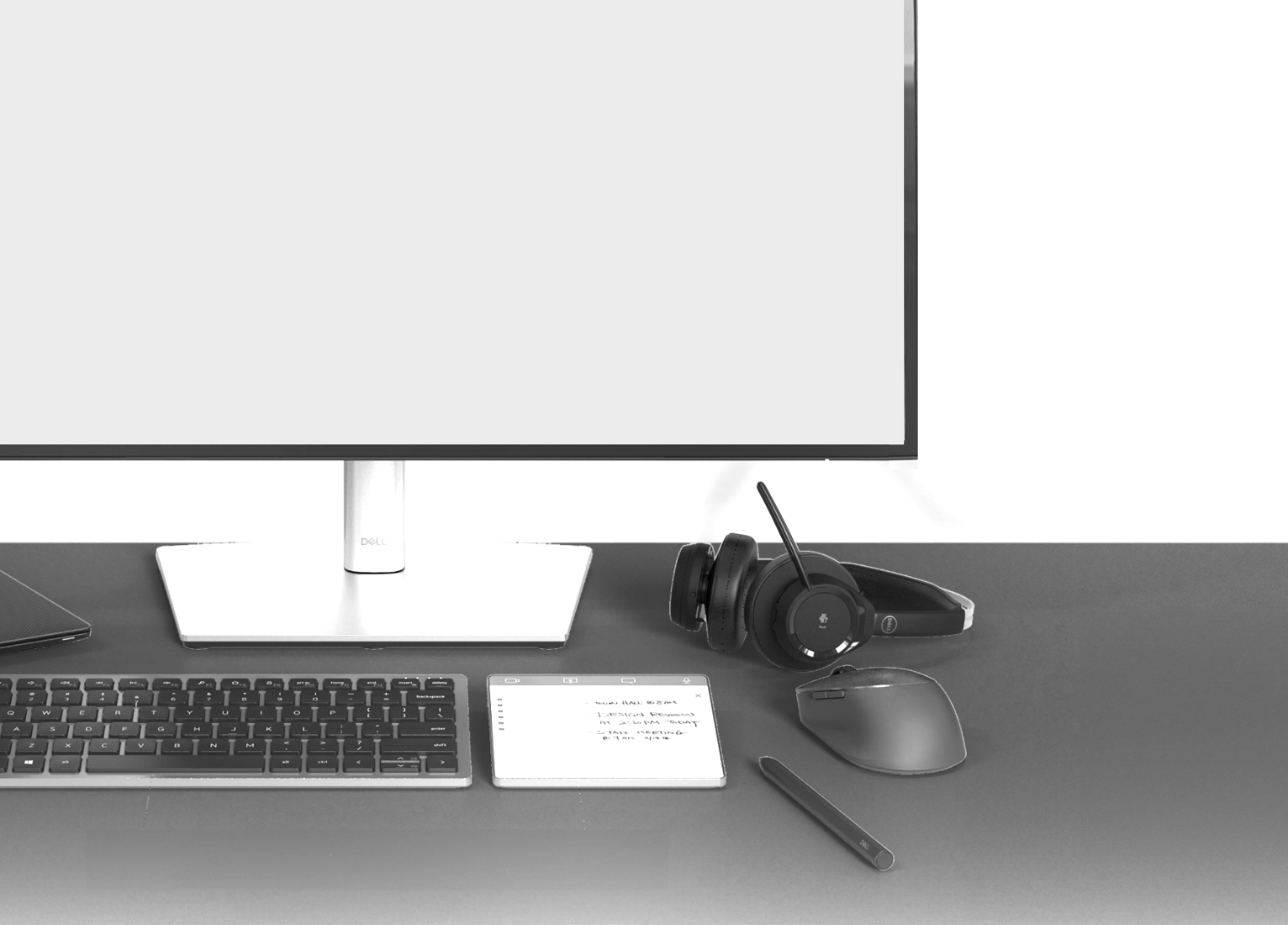
An unreleased product becomes a photorealistic image a sales team uses to pre-sell it.
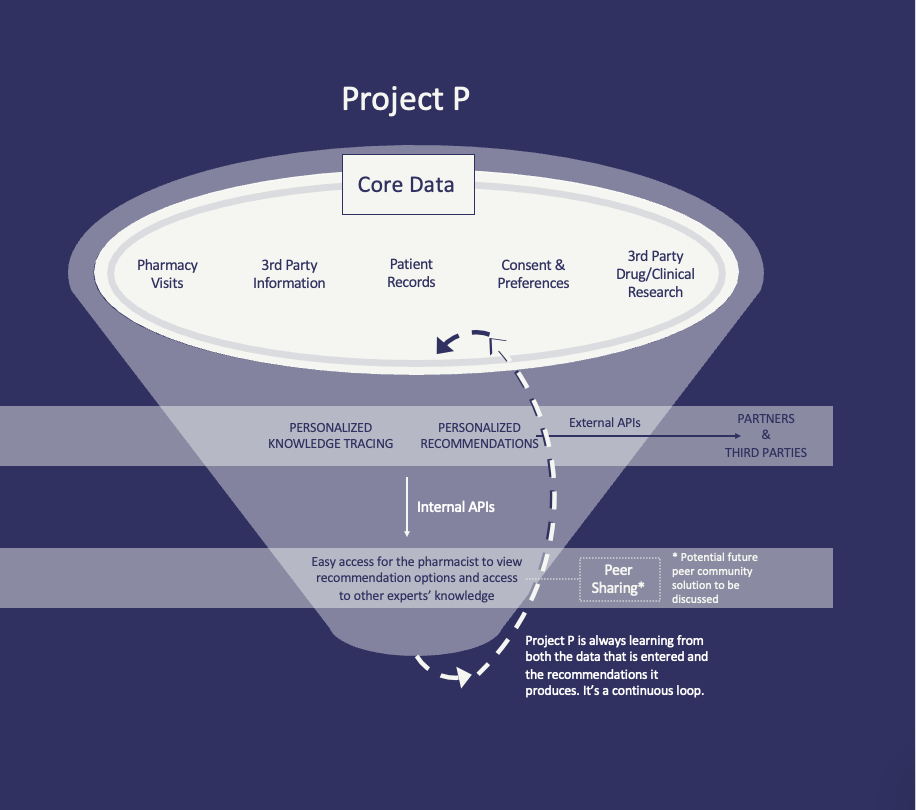
A technical proposal section becomes a graphic an evaluator can understand without reading every word.
A brand’s offering becomes a short video a visitor understands in the first ten seconds.
Background
20+ years in brand, marketing, and visual communications — including a decade leading brand and campaign work at Williams-Sonoma, Inc., five years of creative direction across Capgemini Invent agencies (Eveo and frog design) on accounts including Halliburton, Pfizer and Emergent BioSolutions, and an ongoing partnership with Dell Technologies translating innovation engineering into customer-ready narratives.
Claire Morris Design is a certified Women’s Business Enterprise (WBENC) and active federal contractor (SAM.gov), with WOSB certification pending.
Outside of client work, I explore illustrated storytelling and fiber sculpture.