
The First Interior Design Platform
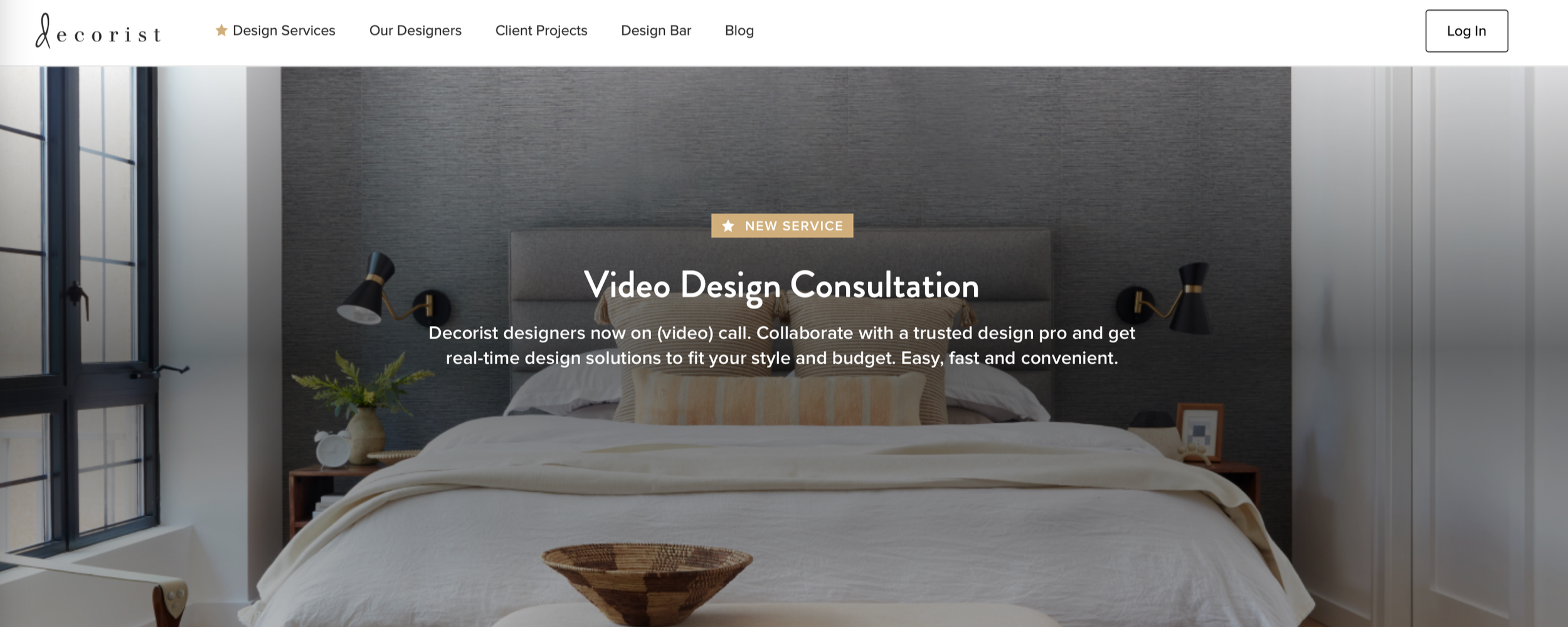
COMPANYDecorist (Startup)
ROLEProduct Designer & Team Manager

TIMELINEMulti-year platform development
OUTCOMEAcquired by Bed Bath & Beyond
The Vision: Making Interior Design Accessible
“The easiest way to design a beautiful home. Professional online interior design for your home, always for a low flat fee.”
Create the first online interior design website to make interior design financially and logistically accessible to everyone. Traditional interior design services were expensive, time-consuming, and geographically limited. We set out to change that through technology, human-centered design, and a scalable service model.
Our goal was ambitious: match customers with talented designers who would create personalized room designs they could actually implement—all done remotely, affordably, and with professional quality that rivaled traditional in-person services.
My Role: Product Designer & Team Manager
I collaborated with founder on the strategic direction of the site while leading product design, UX research, and managing distributed development teams. This required balancing user needs, business goals, and technical constraints while building and scaling a platform from concept to acquisition.
Product Strategy & UX
Researched and designed customer journey, UX, and UI
Focus group tested site MVP with target users
Conducted photo shoots for marketing and social media
Collaborated with founders on strategic direction
Team Leadership
Managed two teams of 24/7 developers in Iran and San Francisco
Coordinated across time zones and cultures
Ensured quality and timeline adherence
Bridged product vision with technical execution
Content & Marketing
Designed a direct user pathway to branded vaccine page
Integrated real-time Center for Disease Control (CDC) outbreak feed into home page
Added dynamic World Health Organization (WHO) outbreak information to platform
Created a newsletter to maintain engagement
How It Works: Designing the Customer Journey
We developed a three-step process that balanced ease-of-use with design quality, ensuring customers felt supported throughout their journey while designers had the information they needed to create exceptional work.
The platform matched customers with designers across three experience levels—Classic, Elite, and Celebrity—with pricing varying by designer level. This tiered approach made professional design accessible at multiple price points while showcasing designer talent and expertise.
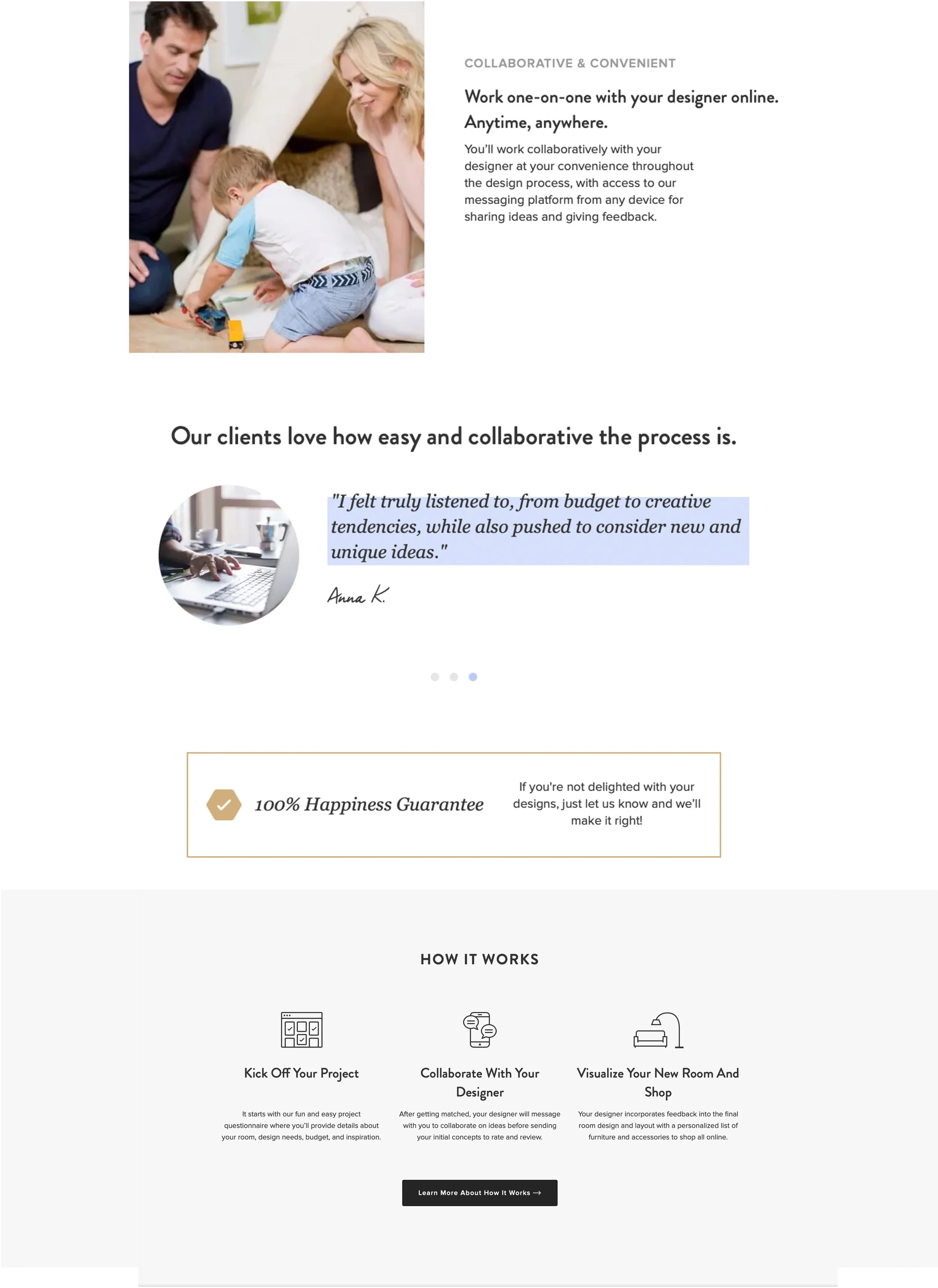
01
Kick Off Your Project
Fun and easy project questionnaire where customers provide details about their room, design needs, budget, and inspiration
02
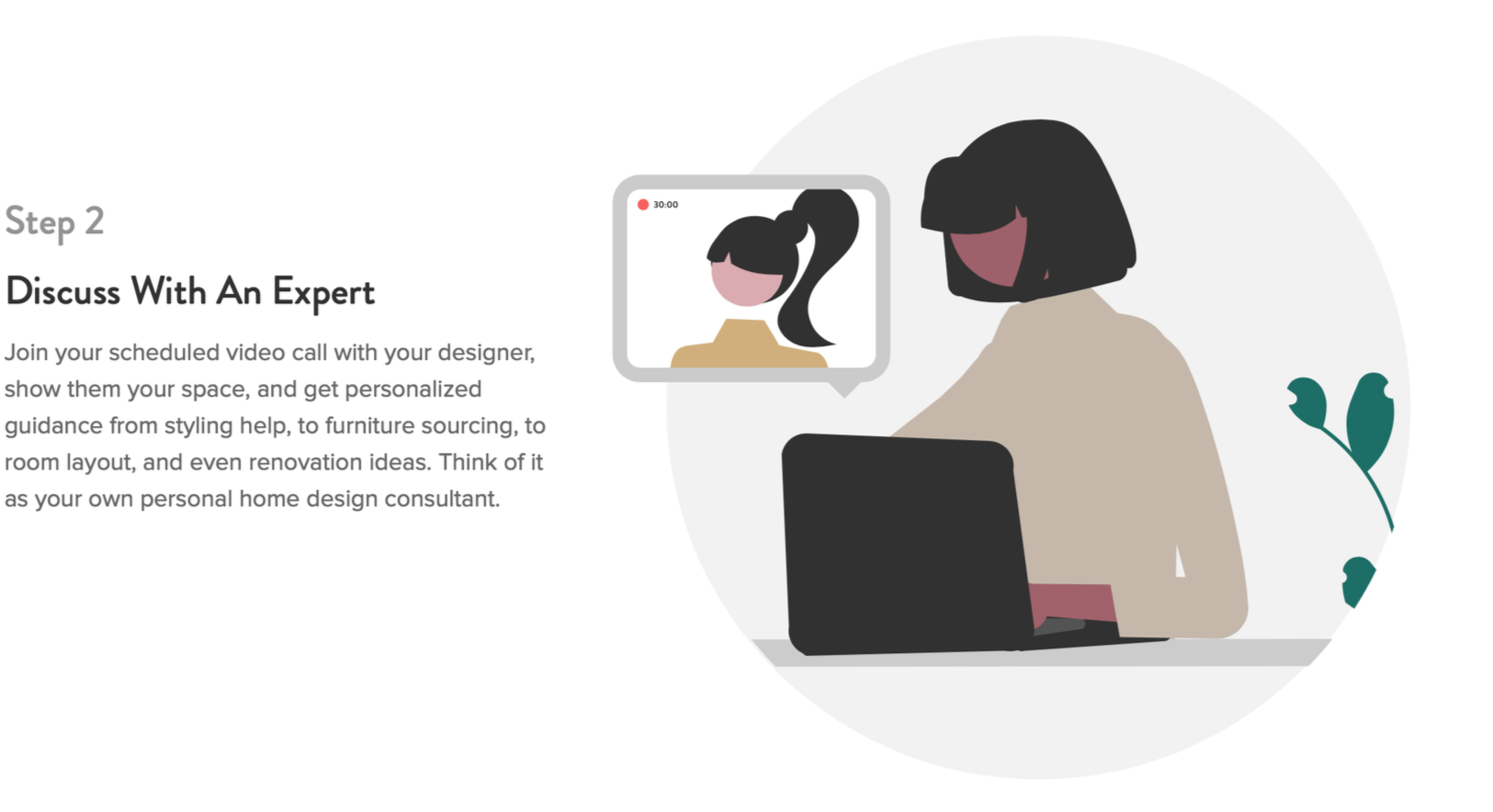
Collaborate With Your Designer
After getting matched, designers message customers to collaborate on ideas before sending initial concepts to rate and review
03
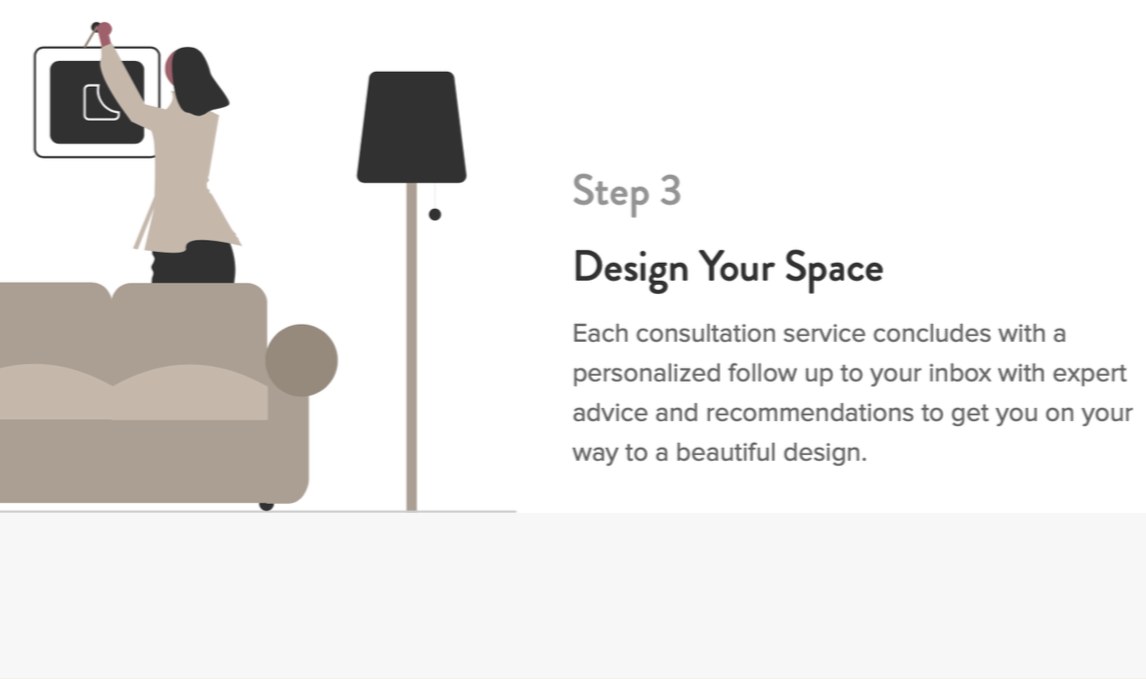
Visualize Your New Room And Shop
Designers incorporate feedback into final room design with personalized furniture and accessories list to shop all online
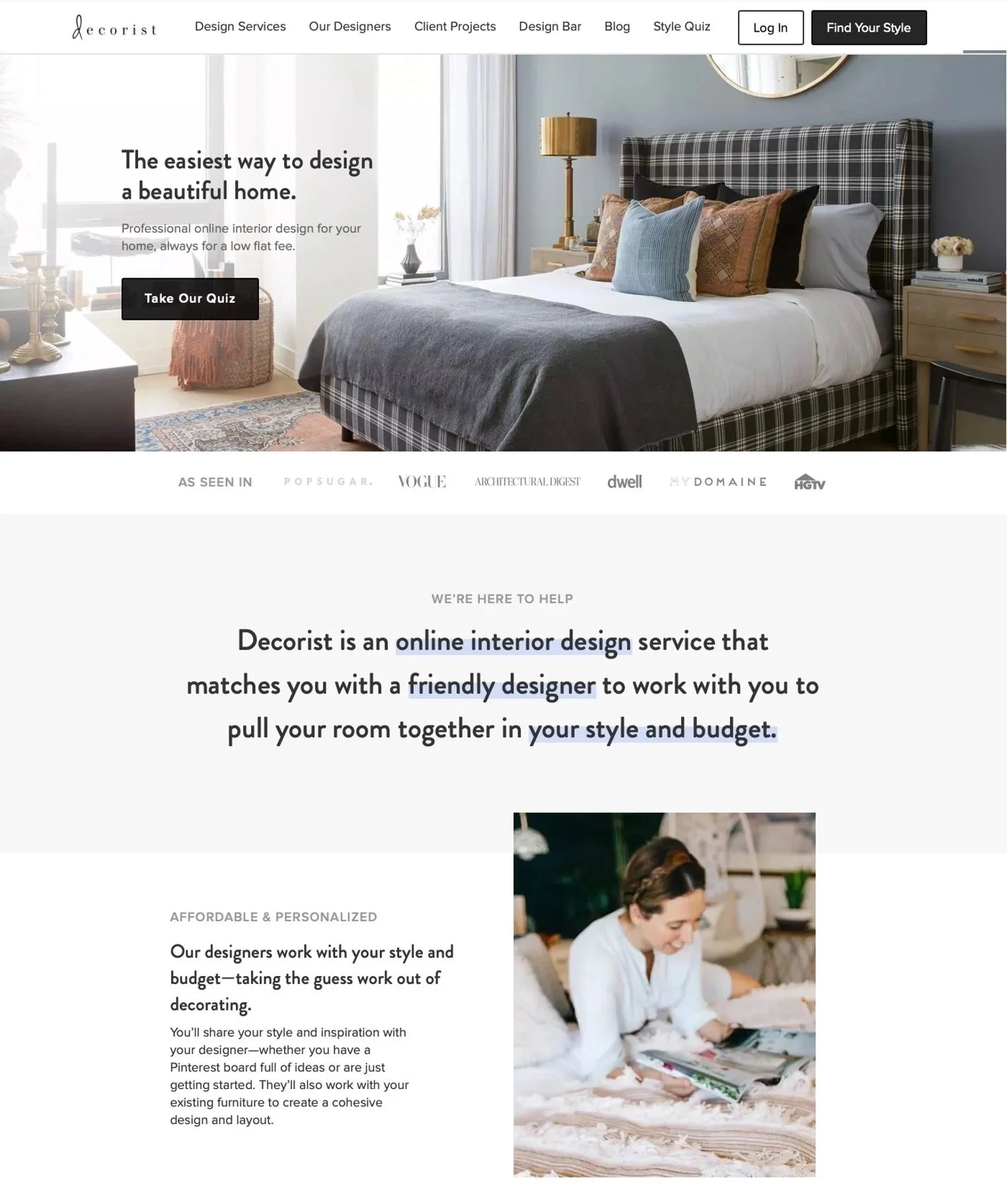
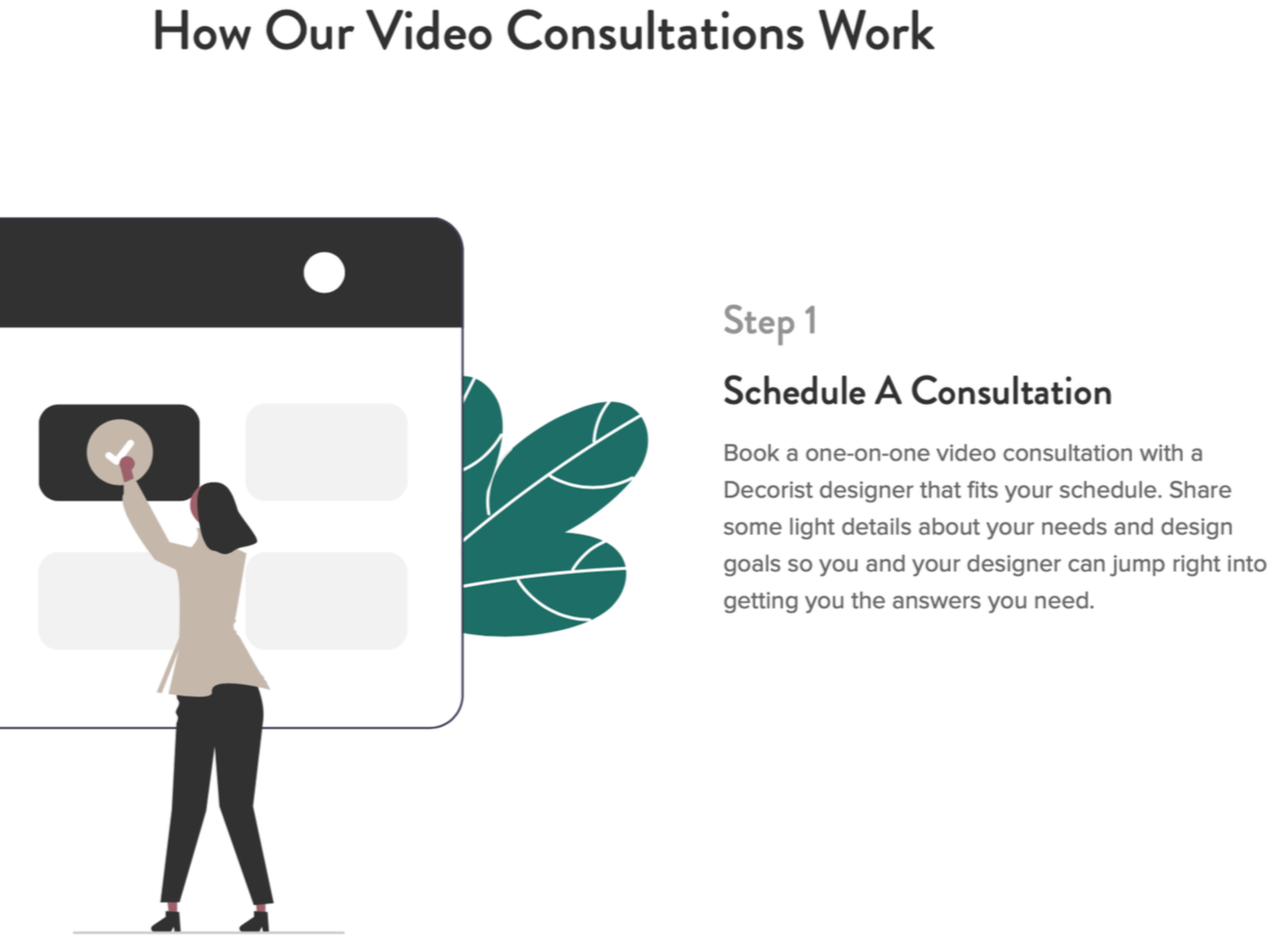
The Platform Experience
Through extensive UX research and focus group testing, we created an intuitive platform that balanced customer ease-of-use with designer creative freedom. The result was a seamless experience that felt personal despite being entirely remote.

Designer Matching & Portfolio
Customers could browse designer portfolios, review their work, and select based on style compatibility—creating trust and excitement before the project even began.
03 AFTER
02 DESIGN
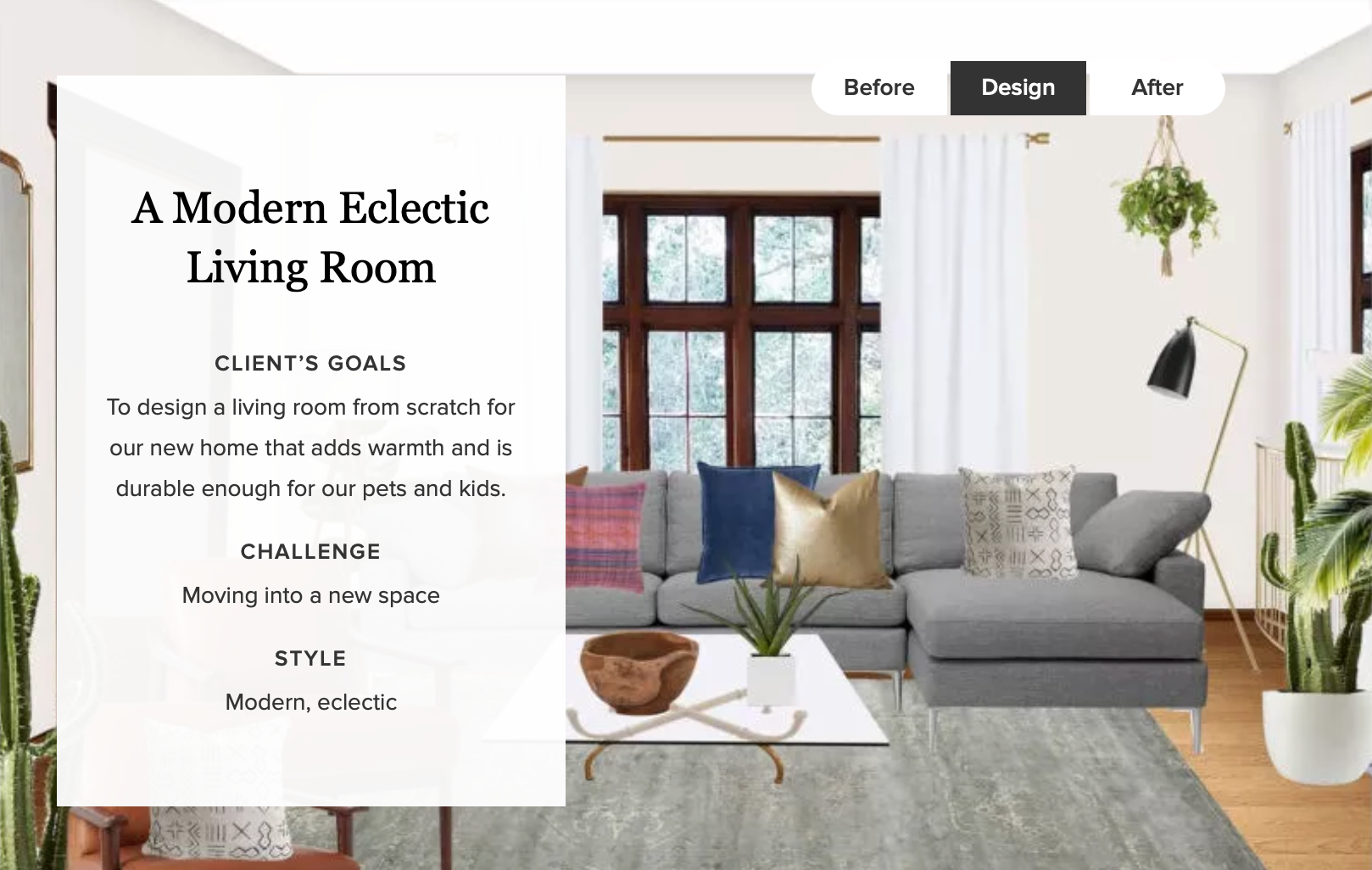
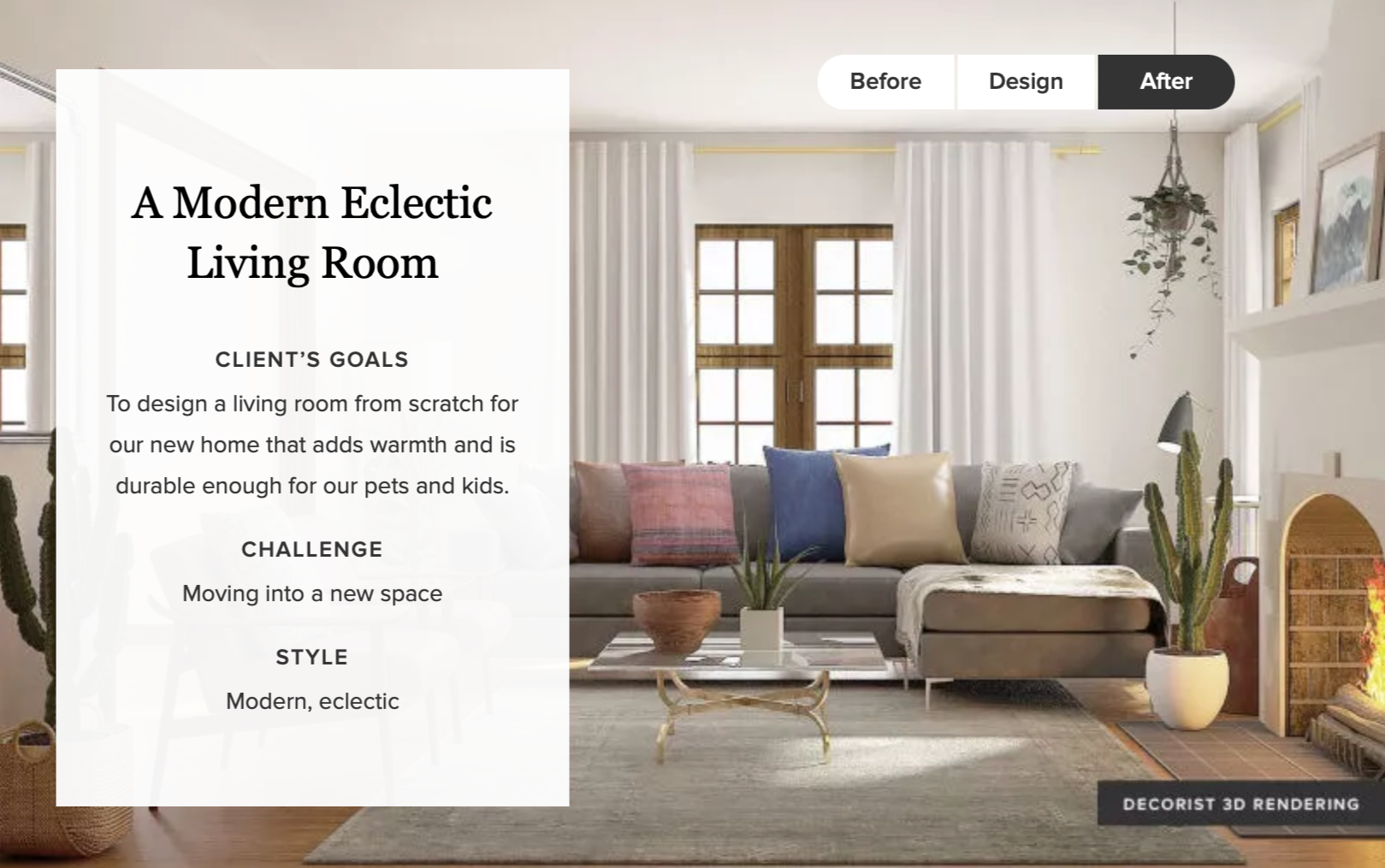
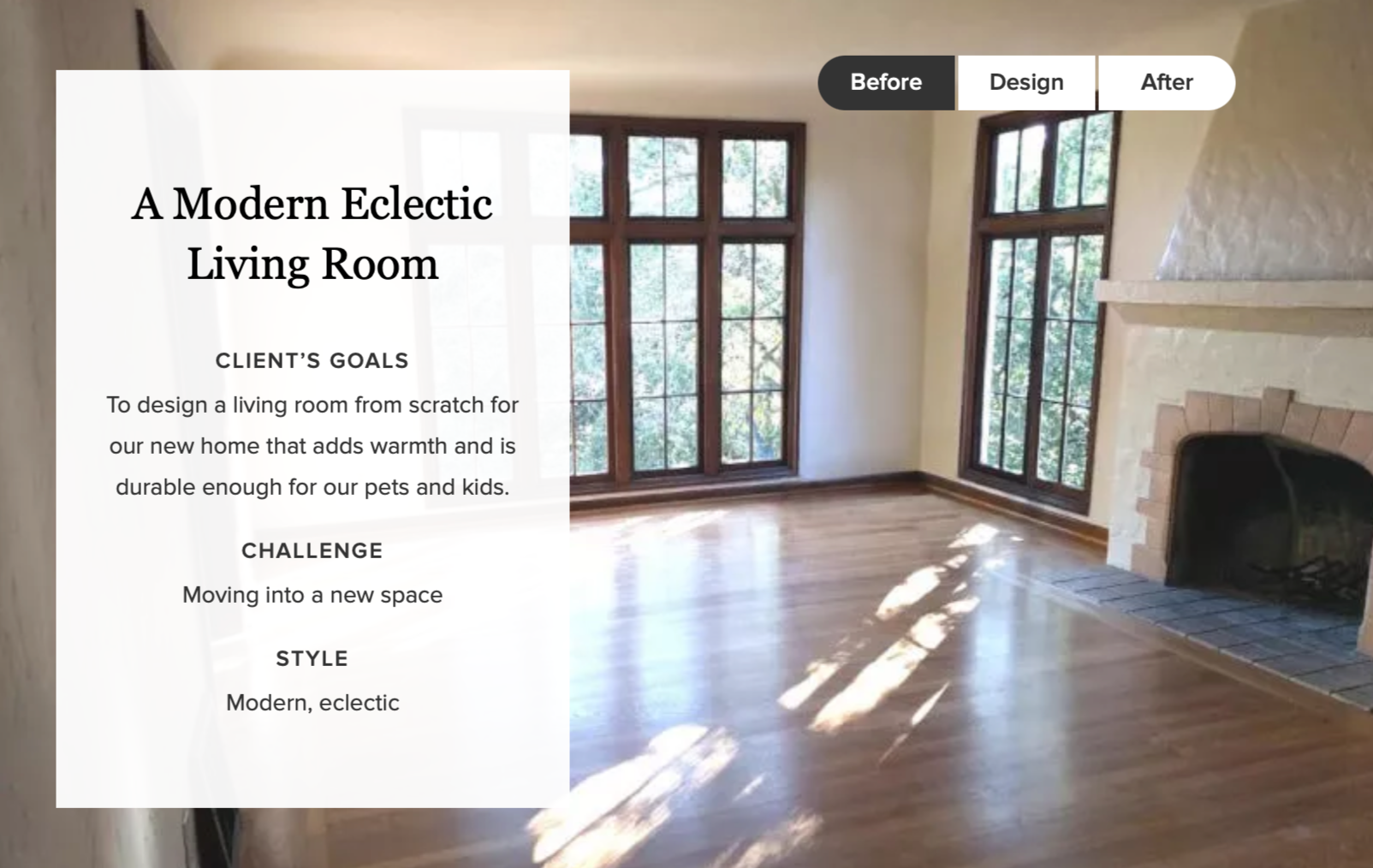
Before, Design, After
We showcased transformations through compelling before-and-after presentations, demonstrating the platform's value and building customer confidence in the remote design process.
01 BEFORE
Customer Reviews: Proving the Model Works
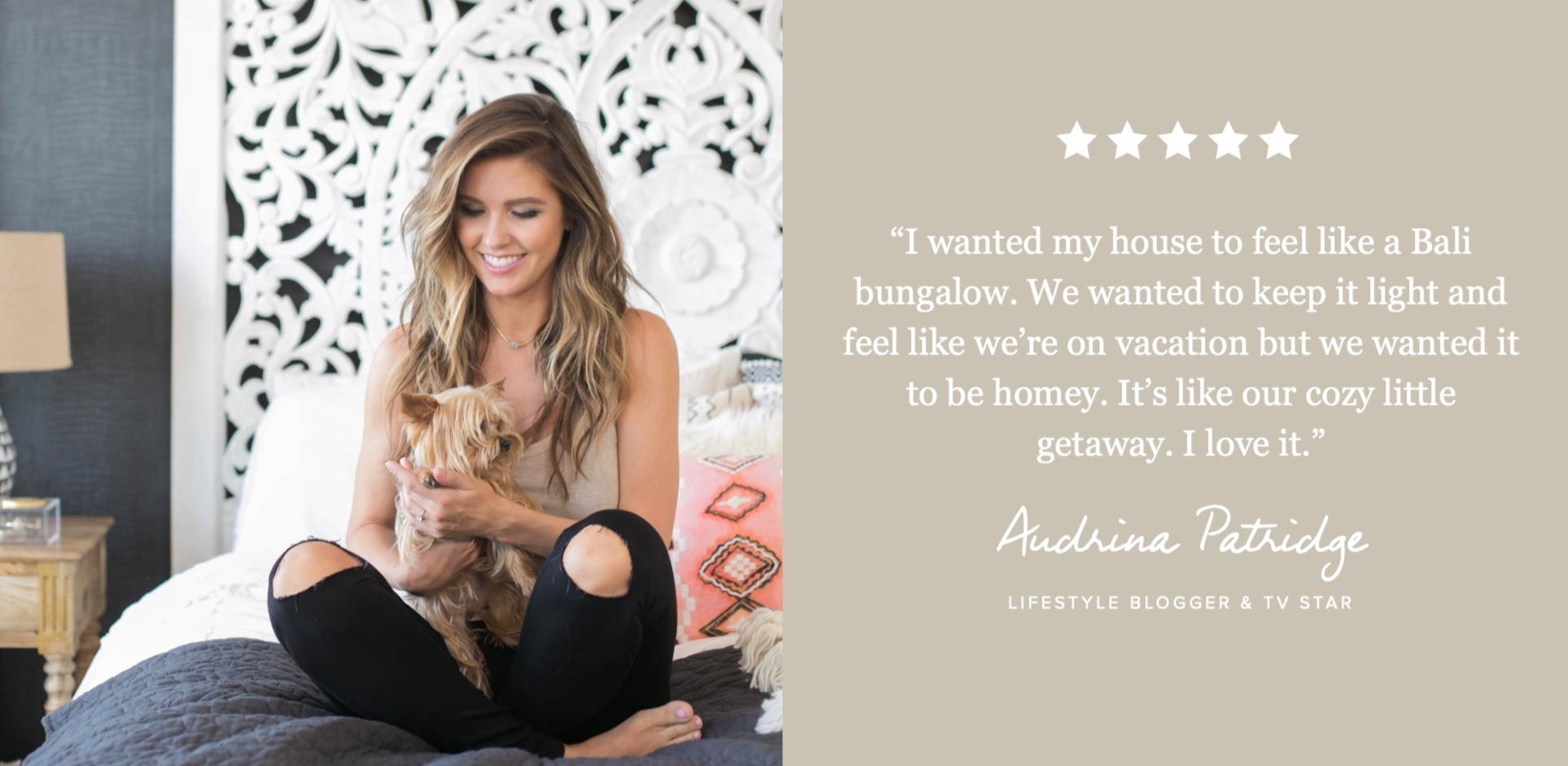
“Nailed it
When I saw these magical 3D renderings of my space, I sort of lost my mind... during this entire process I’ve really trusted Jessica to create an amazing space... Jessica (and Decorist) really nailed it with the materials and balance of light and dark for my space. I cannot wait to begin working on this room!”
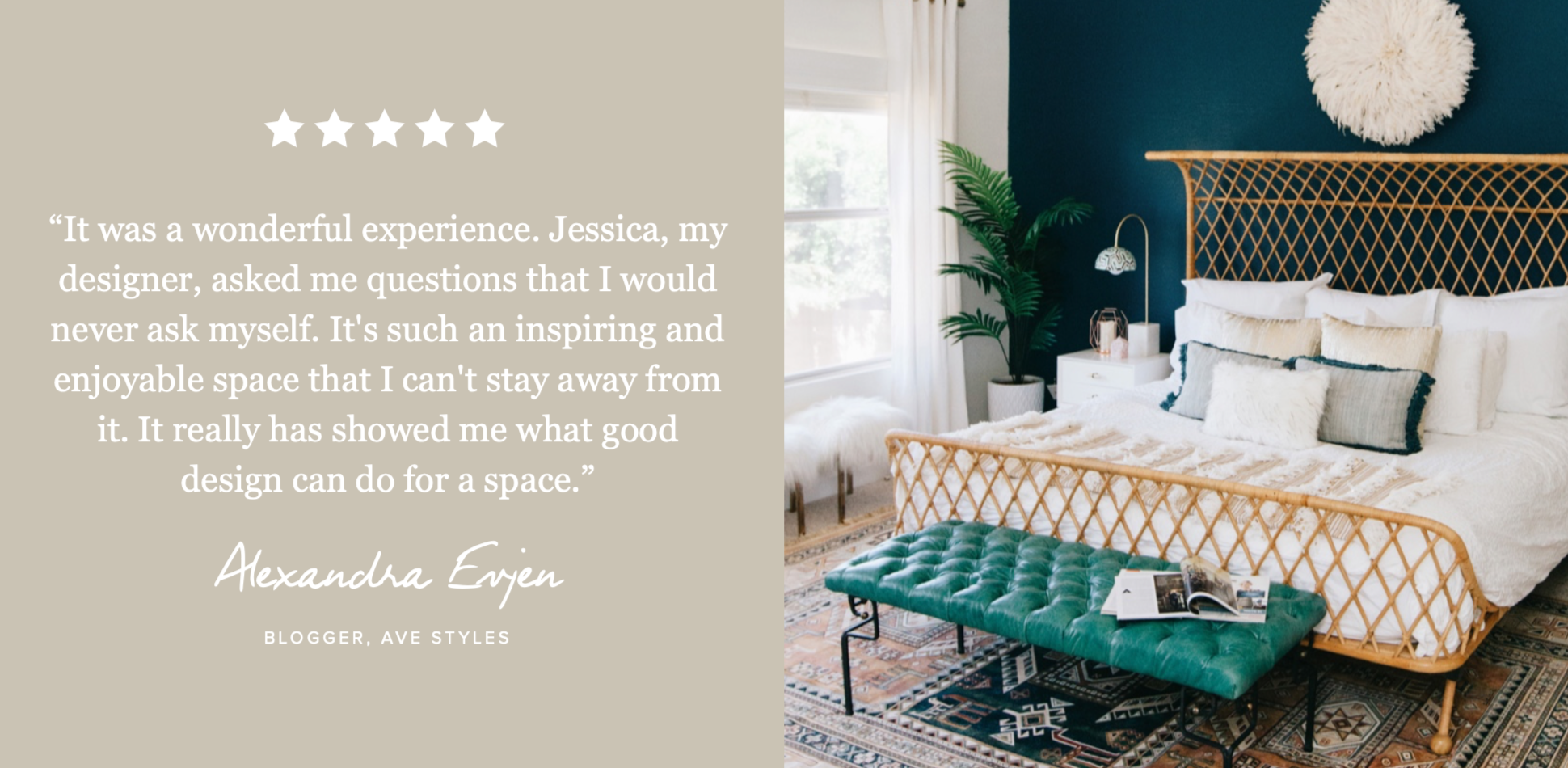
“Great service
We were also a challenge in that we have no clue as to what we wanted, liked or examples of inspiration. After one designer was pulled off of the project, likely because we were so challenging, the Decorist team came up with a new designer, Amanda Foster. She was beyond patient with us and came up with such great ideas for us that we never would’ve come up with.”
“Can’t wait to use it again
Decorist was the best decision I made while redecorating my room. Hiring an interior designer was completely out of the question for me... For $299, I was able to get paired with a super talented designer named Amanda Foster. The final concept was exactly the unique, eclectic style I envisioned.”
Success: From Startup to Acquisition
01
Architectural Digest "Innovation of the Year" Award
02
Featured in Vogue, Dwell, Architectural Digest, HGTV, PopSugar
03
Acquired by Bed Bath & Beyond within two years
Key Learnings: Building Products That Scale
01 Focus group testing prevents expensive mistakes
Testing the MVP with target users before full development revealed critical insights about customer expectations, designer needs, and platform usability. This investment in research saved months of post-launch iteration and ensured we built the right product from the start.
02 Managing distributed teams requires clear vision
Coordinating two 24/7 development teams across Iran and San Francisco taught me that successful remote collaboration requires crystal-clear product specifications, consistent communication rhythms, and cultural sensitivity. The product vision had to be so well-articulated that developers in different time zones could work independently while staying aligned.
03 Two-sided marketplaces are uniquely complex
Designing for both customers and designers meant every feature needed to serve dual purposes. The questionnaire had to be easy for customers while providing designers with sufficient information. The review process had to feel empowering to customers while being efficient for designers. Balancing these competing needs required constant iteration and feedback from both sides.
04 Trust is the hardest design challenge
Getting people to pay for design services from someone they'd never met, for a room transformation they couldn't fully visualize, required building trust at every touchpoint. Designer portfolios, customer testimonials, before-and-after showcases, and the tiered pricing model all worked together to build confidence in the platform and process.
05 Product design extends beyond the interface
The customer journey included the questionnaire, designer matching, collaboration tools, visualization, and shopping experience. Success required designing the entire service ecosystem—not just making screens look good. This holistic approach to product design is what created a genuinely differentiated experience.
06 Industry recognition validates innovation
Winning Architectural Digest's "Innovation of the Year" award wasn't just prestigious—it validated that we'd actually changed how interior design worked. This recognition opened doors, attracted customers and designers, and ultimately contributed to the acquisition by Bed Bath & Beyond.
Most importantly, this experience taught me that successful digital products don't replace human expertise—they amplify it. The best technology makes talented people more accessible, more efficient, and more impactful. That principle has guided my approach to experience design ever since.