
Revealing Truths About Sickle Cell Disease
CLIENTPfizer
ROLECreative Director & Team Leader
TIMELINE1 year comprehensive integrated campaign
DELIVERABLESEducational Platform, Video Series, Medical Materials, POS Conference Materials
The Challenge: Changing Physician Perceptions
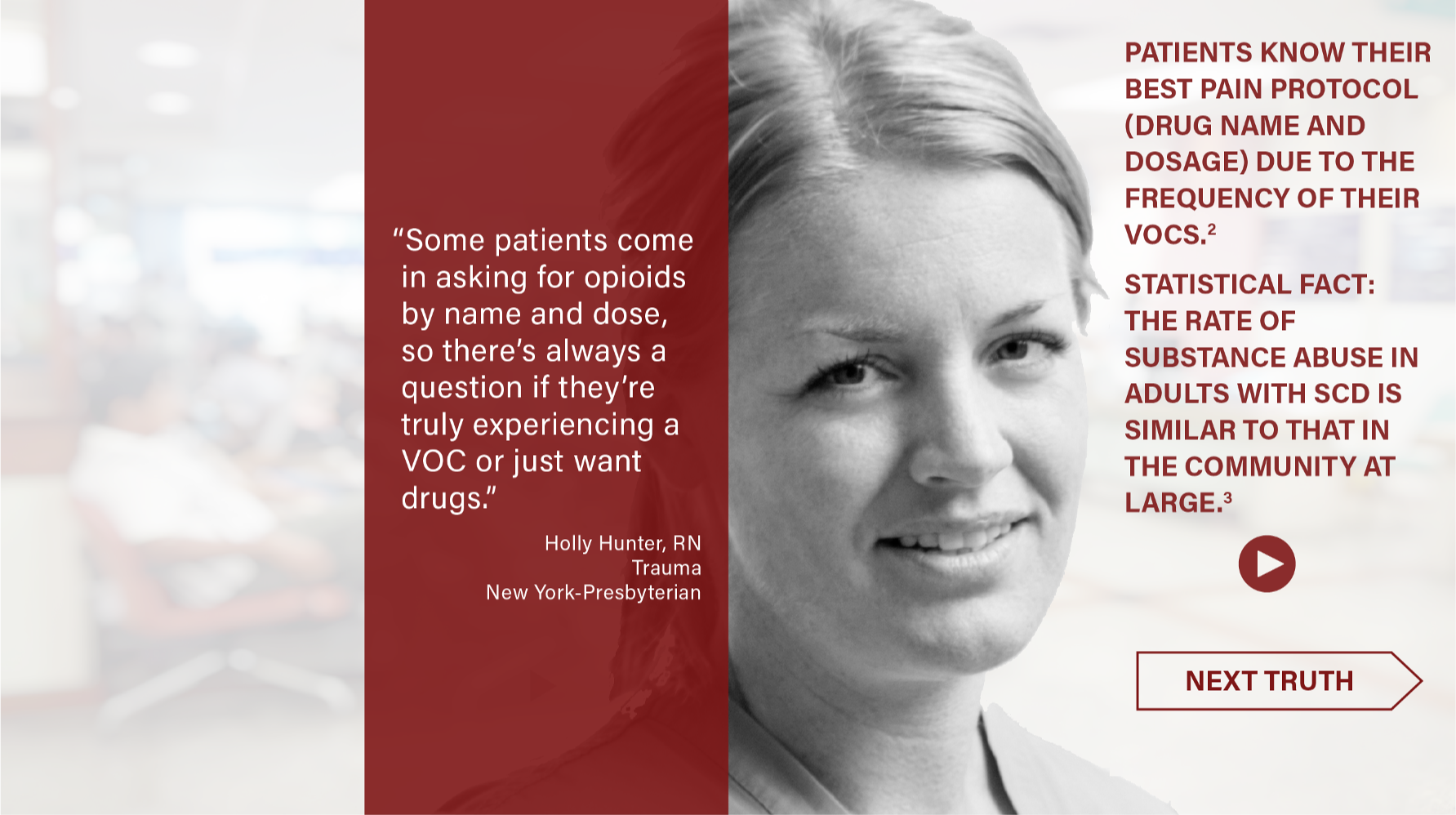
“The complications of a vaso-occlusive crisis aren’t always evident during initial examinations.”
Transform emergency department (ED) physicians' perceptions of sickle cell disease, targeting misconceptions that created barriers to patient care and adoption of Pfizer's new SCD treatment.
Emergency department physicians held entrenched beliefs about sickle cell disease patients that affected treatment decisions. Our challenge was to dismantle these misconceptions through credible voices, evidence-based education, and an accessible educational platform—all while navigating Pfizer's organizational restructuring.
Navigating Complex Challenges
Audience Resistance
Developed specialized messaging strategies to overcome entrenched physician beliefs about sickle cell disease patients, requiring careful research and credible voice identification
Expert Recruitment
Successfully identified and secured rare SCD specialists through strategic network leveraging, ensuring authentic and credible voices for the campaign.
Organizational Change
Preserved project continuity during Pfizer's restructuring by developing compelling ROI and strategic value presentations that secured continued investment.
Data-Driven Campaign Development
I implemented a comprehensive, data-driven campaign development process that combined insight discovery, influencer identification, and strategic content creation to address physician misconceptions systematically.

01 Insight Discovery
Conducted research revealing critical ED physician misconceptions:
Mischaracterization of patients as drug-seeking
Unconscious bias affecting treatment decisions
Knowledge gaps in current SCD management approaches
02 Influencer Identification
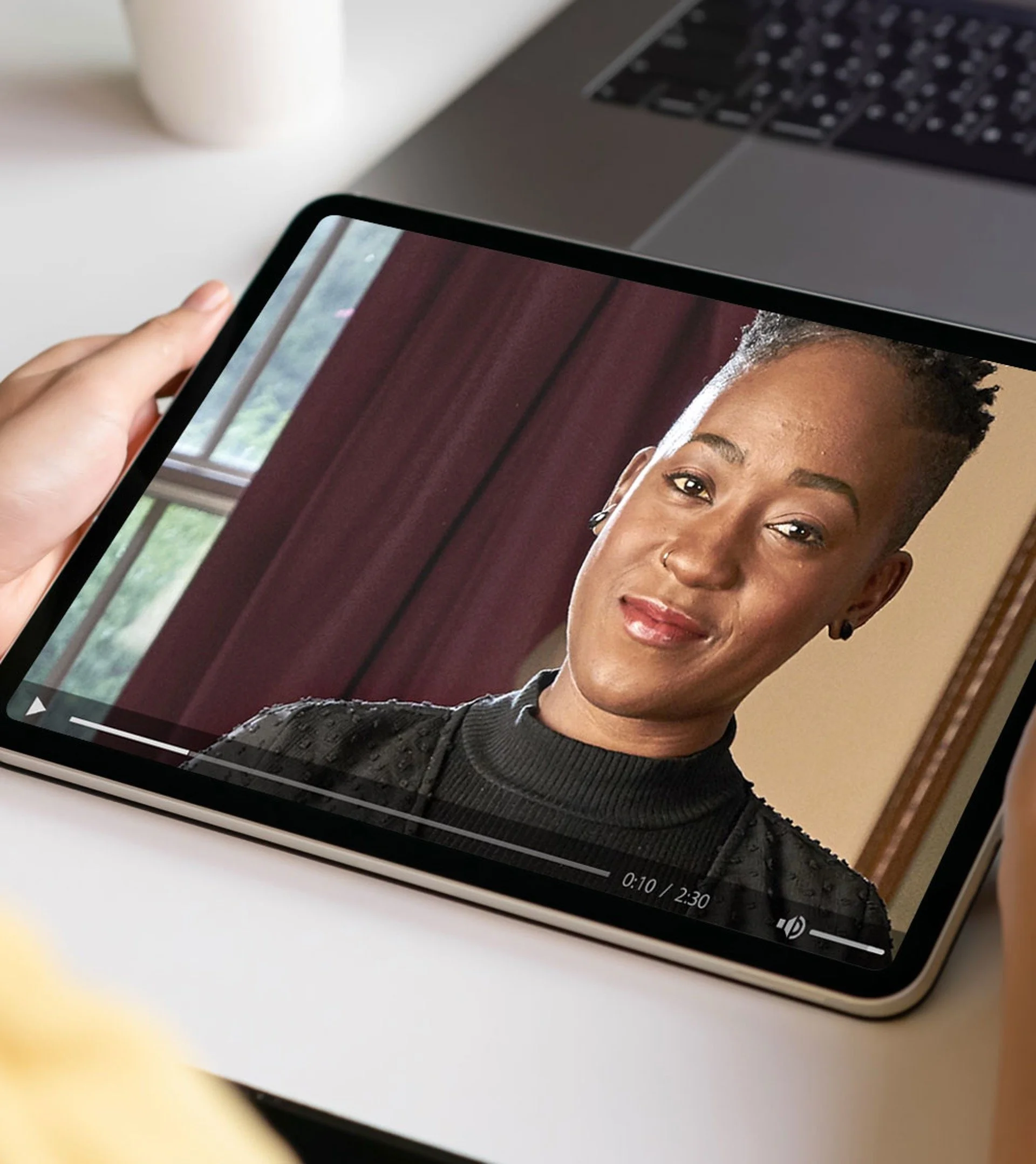
Recruited credible voices to challenge established beliefs:
Emergency medicine key opinion leaders
SCD treatment specialists
Patient advocacy organization leaders
03 Content Strategy
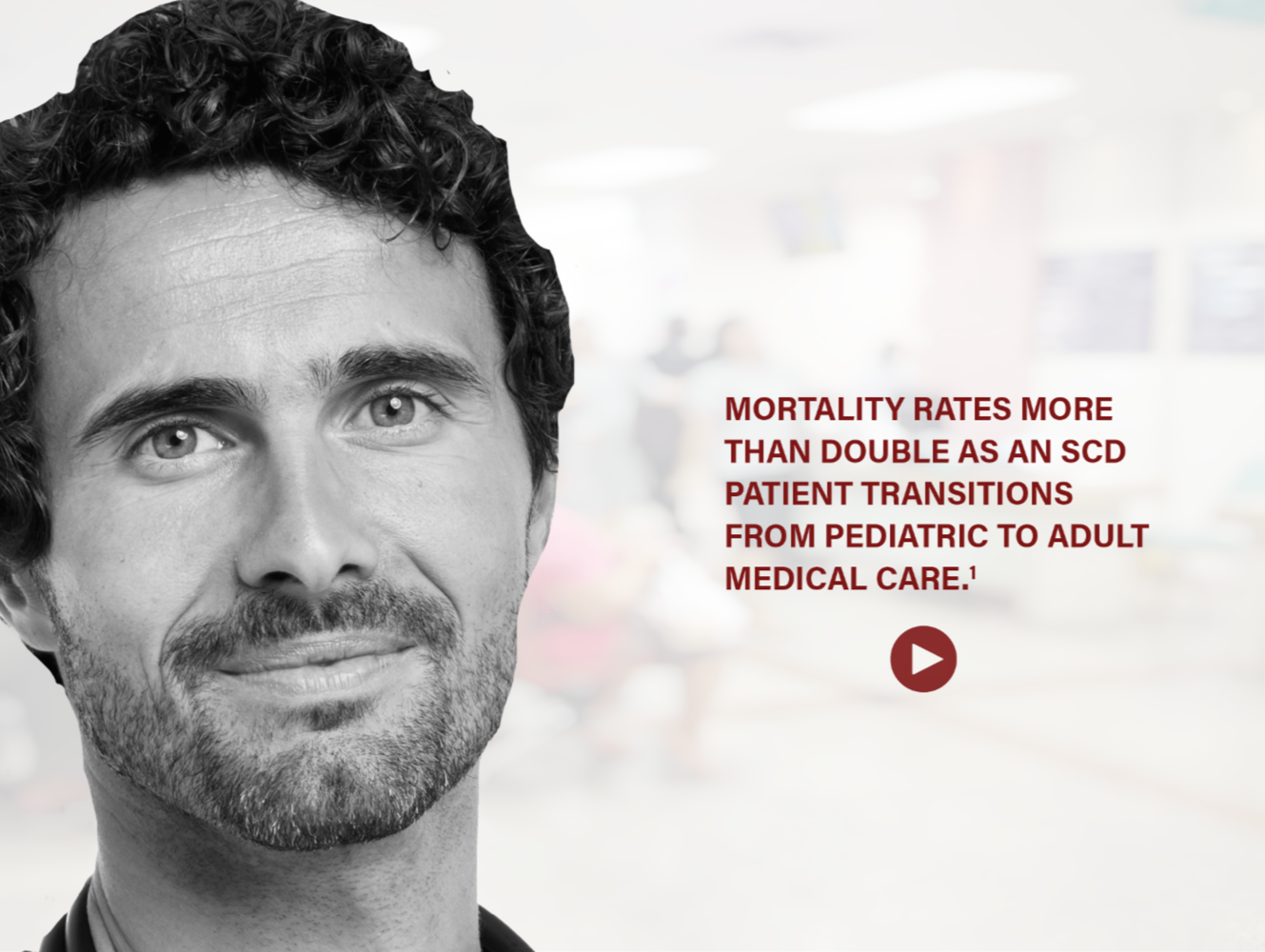
Developed persuasive video series that:
Directly addressed and dismantled misconceptions
Presented evidence-based clinical information
Created an accessible educational platform
The SCDTruths Educational Platform
I co-art directed the development of a comprehensive educational website featuring video testimonials, clinical information, and resources designed to change physician perceptions and improve patient care.

My Role: Creative Director & Team Leader
Creative Director
Led the comprehensive "SCDTruths" integrated campaign
Co-Art Director
Oversaw development of:
Educational website platform
Clinical print advertisements
Point-of-care materials
Medical congress exhibition design
Team Leader
Directed cross-functional specialists:
Copywriter
Medical Director
Medical Writer
Visual Designers
The Outcome: Quality Recognized Despite External Challenges
Though not implemented due to clinical trial results, the campaign strategy and creative assets were retained by Pfizer for future implementation—a testament to the recognized value and quality of the work despite external setbacks.
This outcome demonstrates that exceptional strategic thinking and creative execution create lasting value, even when external factors prevent immediate implementation. Pfizer's decision to retain all campaign materials validated the comprehensive approach and high-quality deliverables.
Key Learnings
01 Research drives effective messaging
The insight discovery phase revealed critical misconceptions that shaped our entire content strategy. Understanding that ED physicians held unconscious biases and knowledge gaps allowed us to craft messaging that directly addressed root causes rather than symptoms. This research-first approach ensured our campaign targeted the right problems with the right solutions.
02 Credibility requires authentic voices
Successfully recruiting rare SCD specialists and emergency medicine key opinion leaders wasn't just about finding experts—it was about identifying voices that target physicians would trust and respect. The strategic network leveraging required to secure these influencers demonstrated that relationship building and persistence are as crucial as creative execution.
03 Organizational resilience matters
When Pfizer underwent restructuring mid-project, developing compelling ROI and strategic value presentations preserved project continuity. This experience reinforced that creative directors must understand and communicate business value, not just creative excellence. The ability to speak the language of stakeholders at all levels protected the work during organizational uncertainty.
04 Quality outlasts implementation challenges
That Pfizer retained all campaign strategy and creative assets for future implementation—despite clinical trial results preventing immediate launch—validated the comprehensive approach and execution quality. Sometimes the best work faces external barriers beyond the team's control, but excellence creates lasting value regardless of timing.
05 Cross-functional collaboration elevates outcomes
Leading a team of medical directors, writers, copywriters, and visual designers required balancing scientific accuracy with persuasive storytelling. The platform's ability to dismantle misconceptions while maintaining clinical credibility came from this multidisciplinary collaboration, proving that complex challenges require diverse expertise working in concert.
Most importantly, this project reinforced that meaningful healthcare communication requires deep empathy for both patients and providers. Understanding the barriers physicians faced—time pressure, unconscious bias, knowledge gaps—allowed us to create educational content that respected their constraints while expanding their perspectives. This human-centered approach to professional education is what makes complex medical campaigns effective.